
Blog.

Leadership for impact
What does it take to build an impact-driven organisation? In this blog, I get back to basics to hear from leaders working on the ground to respond to local needs and challenges. Speaking to leaders of established small and medium sized charities, social enterprises, and community-based organisations in Sussex, we explored the individual as a leader, including what drives them and their organisations on the journey to achieve their purpose. These smaller organisations, less fixed in their structures and systems, reveal insights about their successes and failures, what differentiates their organisations, how they learn and improve, and how they account externally for their impact, in order to work towards the possibility of positive impact in the world.
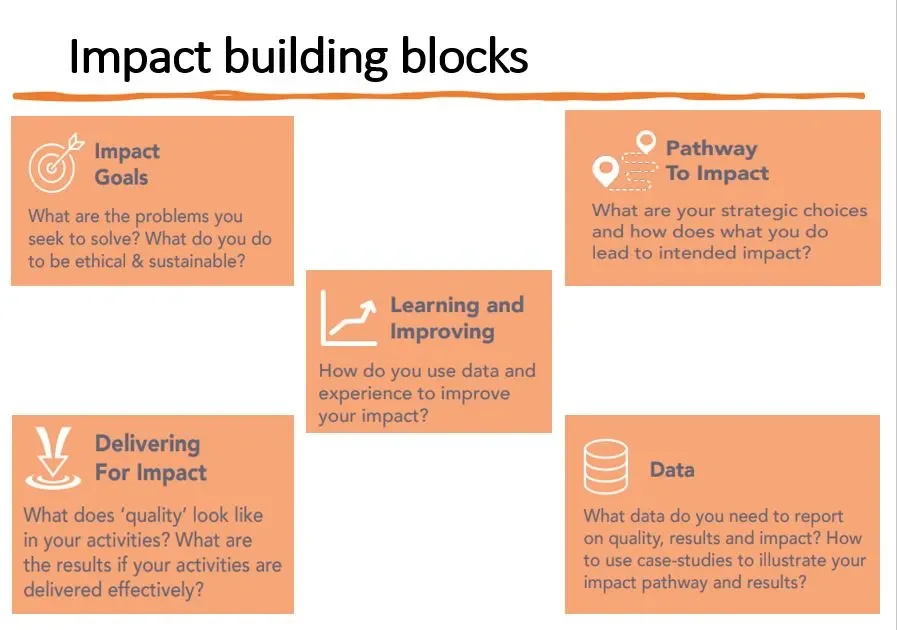
Differentiating your organisation by its impact
As societal challenges grow, and government resources decline, there is increasing focus on the role of non-government and private sector organisations to tackle a wide range of social and environmental issues. At the same time there is a growing concern with ‘green-washing’ and ‘impact-washing’ — organisations seeking to gain commercial advantage by promoting their supposed ethical credentials. The charity sector is also under scrutiny in relation to the quality of its work and the value of services provided through donations.
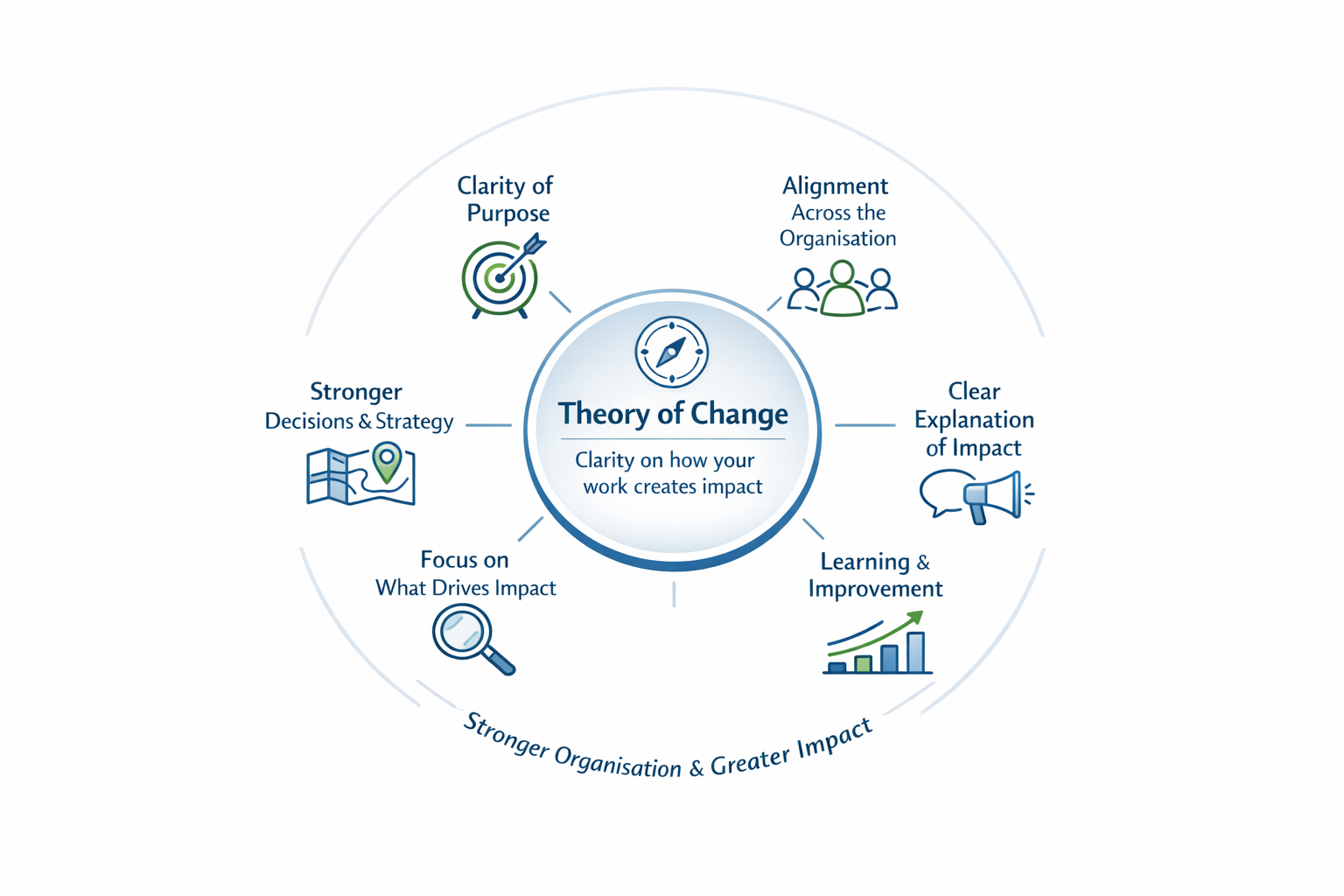
Unlocking Impact: The Power of a Theory of Change
As leaders of impact-led organisations, our mission is clear: to make a positive difference in the world. Yet, amidst the whirlwind of running an organisation, it’s easy to lose sight of what truly drives impact.
That’s where a Theory of Change comes in. At its core, a Theory of Change is not just a fancy term or another document to give to your funders or investors. It’s a dynamic framework that helps you understand how your actions drive your desired outcomes. It’s about clarity, strategy, operations, quality, improving and ultimately, making a tangible difference in the lives of those you serve.
So, why should you care about developing a Theory of Change for your organisation?
Make Impact a Living Part of your Organisation
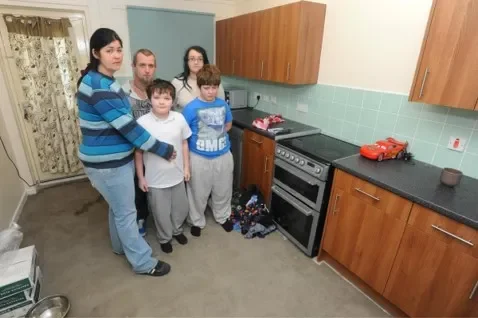
“From day one, I was in debt. Two years on — I’m still behind on my payments, and really struggling to find my feet with my finances.”
This is what I heard when talking to a tenant of a housing association. Taking up a new tenancy had thrown him into unmanageable levels of debt — a direct and unintended consequence of one social enterprise’s failure to see the big picture.
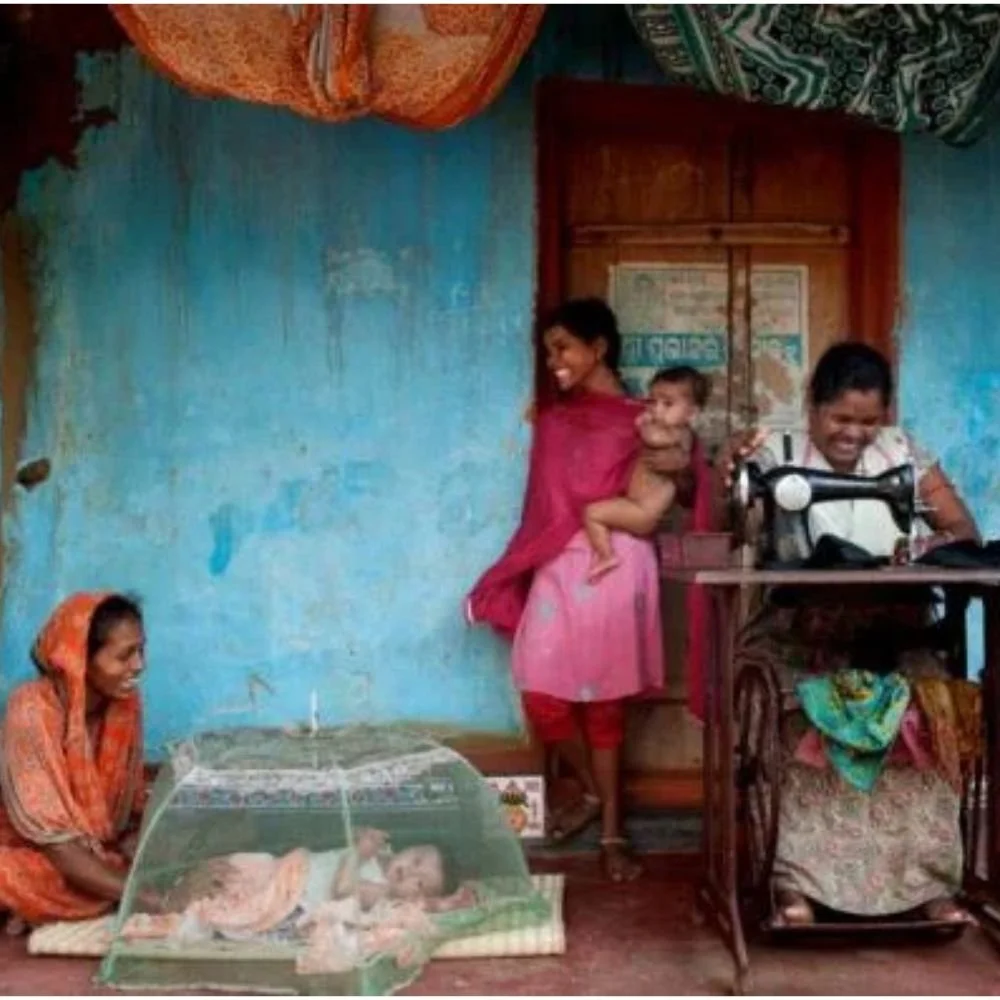
Lessons on Customer Empowerment from Women in Rural India
People who work on financial inclusion often make assumptions about customers and what drives their choice and use of financial services. But do we know how customers feel about their ability to engage and use these services? CGAP is seeking to answer this question and test out some initial ideas as it explores the concept of empowerment and the role it can play in building customer trust and confidence.

BUILDING A CLIENT-FOCUSED BUSINESS MODEL
"We will never be a leader in client service" a senior AMK manager told me. Indeed in the competitive Cambodian microfinance market many clients might choose another microfinance institution over AMK as its loan disbursement is slower and more time-consuming for clients and its loan sizes are smaller. Coming from an organisation that is proudly client focused, this struck me as strange.

SCALING IN IMPACT, NOT JUST IN NUMBERS
The world is littered with the burnt-out wrecks of well-meaning people who have tried to take a weak organisation to scale. When the foundations aren’t strong enough, problems are magnified, and a huge amount of energy must be wasted in sorting products that are not quite right or systems that fail to deliver. If you’ve ever built and scaled a business, you’d accuse us of stating the obvious here. But when we think about scaling organisations with a social purpose, it’s a lesson that needs to be re-examined within the context of delivering impact. Scaling impact is not simply delivering more products and services through more staff. It’s about understanding precisely what it is that we do to create social value, so that when we start chasing numbers, we don’t lose sight of what matters. The problem is: going to scale can generate its own organisational momentum and gravitational pull on our priorities. Case in point: we’ve seen countless poverty-focused organisations suffer mission drift, when staff start focusing on easier-to-reach (read: less poor) clients in response to cash bonuses that reward rapid growth in client numbers.
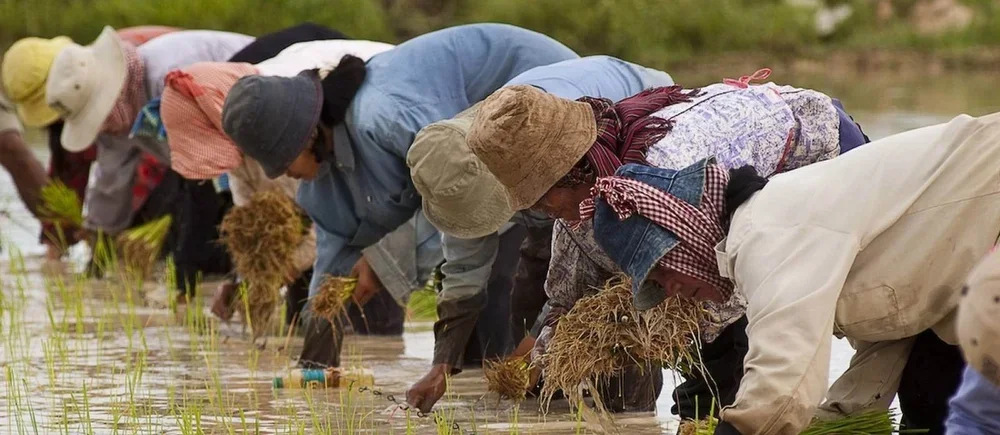
THE UNINTENDED CONSEQUENCES OF DOING GOOD
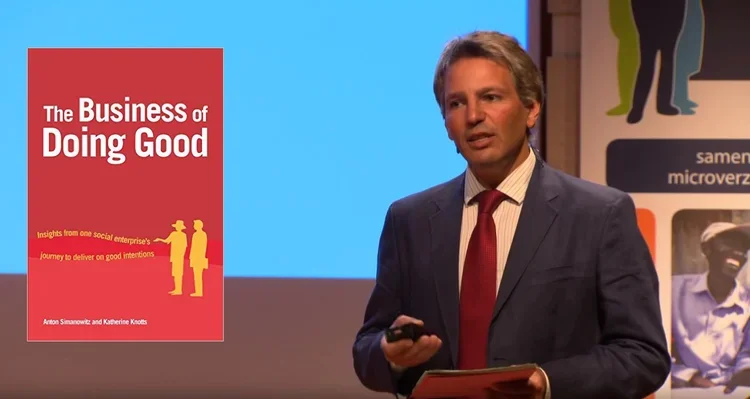
Unintended consequences are both ubiquitous and invisible when it comes to the business of doing good. Selia, a woman from Cambodia and intended 'beneficiary' of the Concern Worldwide microcredit programme brings the harsh reality of 'good intentions gone wrong' into view. A new book, The Business of Doing Good, by Anton Simanowitz and Katherine Knotts ventures to explore and solve the problem.

TO WHOM ARE YOU ACCOUNTABLE?
Impact is now high on the agenda for Third Sector organisations. But how do we ensure that a concern with impact drives real changes in the way that organisations work and the benefits they deliver, rather than just being about measurement and accountability?
A ROAD LESS TRAVELED
The Universal Standards for Social Performance Management Implementation Guide provides financial service providers with practical guidance on how to improve strategies, governance, operations, and employee treatment. It is based on a set of industry standards for social performance management (SPM), called the SPTF Universal Standards for SPM.

SOMETIMES SEEING IS THE FIRST OBSTACLE TO BETTER OUTREACH TO THE POOREST
"In my work with microfinance organizations around the world, I have noticed that efforts to serve more poor people can stumble on the very first step: seeing them.
CREATING GOOD CONVERSATIONS TO DELIVER IMPACT
Yesterday I attended a presentation on the launch of B-Corps in the UK by James Perry and Charmian Love to the Impact for Breakfast Club meeting in London.